










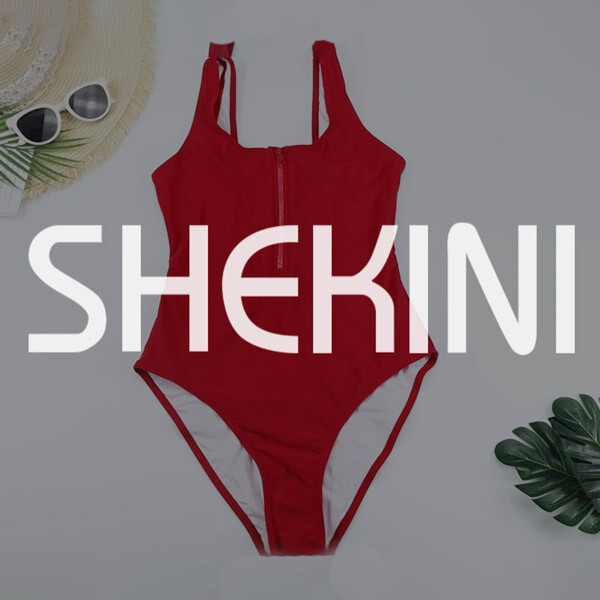





How to Find the Perfect Fit: One-Piece Swimsuits for All Shapes


How to Find the Perfect Fit: One-Piece Swimsuits for All Shapes
Finding the right swimsuit can feel like a treasure hunt. You want something that fits you well, flatters your curves, supports you where you need it, and feels comfortable enough to wear all day. The good news is that one-piece swimsuits are incredibly versatile, and with a few smart design cues, you can find a suit that suits your unique shape—whether you’re poolside, beachside, or lounging at a resort. This guide walks you through understanding your measurements, recognizing the design features that deliver the best fit, and selecting styles that celebrate every shape. By the end, you’ll feel empowered to choose one-piece swimsuits that look as good as they feel.
Know Your Measurements and How to Read a Size Chart
Before diving into styles, start with accurate measurements. Knowing your bust, waist, and hip measurements helps you compare against a brand’s size chart, reducing the guesswork that often comes with online shopping. In addition to the standard three measurements, consider your torso length—the distance from your shoulder to your hip along your spine. A long torso may need a different cut than someone with a shorter torso, even if their bust, waist, and hips align with the same size.
How to measure at home (quick guide):
- Bust: Measure around the fullest part of your bust, keeping the tape level.
- Waist: Measure the narrowest part of your natural waist, usually just above the belly button.
- Hips: Measure around the fullest part of your hips and buttocks.
- Torso length: Measure from the top of your shoulder, down over the bust, and ending at the top of your hip bone.
Once you have these figures, compare them to the brand’s size chart and note that some labels run small, others large. If you’re between sizes, you may consider the style’s stretch, the level of coverage you prefer, and whether the suit has adjustable features such as straps, ties, or panels. And don’t be afraid to read customer reviews—many shoppers share helpful notes about fit, especially around bust support or torso length.
Design Features That Make One-Piece Suits Fit Better
Certain design elements are especially forgiving and flattering across different body shapes. Paying attention to these features can dramatically improve fit and comfort. Here are the core elements to look for:
- Ruched or shirred panels: They create visual contouring and stretch to accommodate changes in shape, often smoothing the midsection without digging in.
- Built-in cups or shelf bra: Provides support without an underwire; look for soft, removable padding if you want control over shaping.
- Empire or AI waistlines: A seam or seam field just beneath the bust draws attention upward and can elongate the torso.
- Strategic paneling: Color blocks or vertical seams can shape the silhouette and provide stability where you want it most.
- High neckline or halter options: Supportive top lines that distribute weight evenly across the bust, with fewer points of strain for long periods of wear.
- Adjustable straps and ties: Allow you to customize the lift and secure fit across the shoulders and back.
- Longline or torso-friendly cuts: Offer extra coverage for the midsection and can be more forgiving on various torso lengths.
- Leg cut and rise: A higher leg elongates the leg line, while a lower rise sits closer to the hips for more curve definition. Both can be balanced with other design features to suit your shape.
Color and print choices also play a role in how a suit reads on your body. Darker shades with minimal contrast can slim and smooth, while strategic color blocking can draw your eye to your strongest features. The key is to choose a combination of features that feel supportive and comfortable for you—your perfect fit is less about a universal formula and more about a personal balance of support, coverage, and feel.
Shape-Specific Guidelines: Finding Flattery for Your Unique Form
Everyone’s body shape is uniquely yours, and there’s no single “right” silhouette. Below are practical guidelines for common shape families and how to approach one-piece swimsuits so you look and feel your best. Keep in mind that many suits will work across multiple shapes, and experimenting with different features is part of the process.
Apple or midsection-focused shapes
For apple shapes, the goal is to create a smooth, flattering silhouette from shoulders to hips while minimizing attention to the middle. Look for:
- Empire waists or ruched panels just below the bust to lift and visually slim the torso.
- Diagonal or vertical lines, such as panels that run along the sides or center front, to elongate the torso.
- High-radius necklines or wide-set straps for comfortable support without digging into the shoulders.
- Powertop or built-in-support options to secure the bust and provide confidence during movement.
Color-blocking that draws the eye upward toward the shoulders and face, combined with modest to full-coverage bottoms, can create a balanced, flattering look. Try a longline one-piece with ruching on the sides to customize the fit in real time as you move.
Pear-shaped bodies
Pear shapes typically carry more volume on the hips and thighs. The aim is to balance the upper body while ensuring comfortable bottom coverage. Consider:
- Patterns or darker colors on the bottom and lighter tops to create a visual lift for the shoulders.
- Structured, supportive tops with adjustable straps or halter necks that broaden and frame the upper body.
- Ruched or draped panels on the sides of the torso or top to distribute fullness more evenly and avoid pinching.
- Higher-cut legs to elongate the legs and minimize the emphasis on the hip area, if that’s your preference.
Look for one-pieces with color-blocking on the top and a solid, smoother bottom. This approach helps create a balanced silhouette while remaining comfortable for long days in the sun.
Hourglass figures
Hourglass shapes tend to carry curves with a defined waist. The goal is to maintain that waist while offering comfortable support and a flattering neckline. Try:
- Waist-defining cuts, such as belts or integrated seams that emphasize natural curves without squeezing.
- A classic one-piece with built-in support and a moderately deep neckline that flatters without showing too much.
- Ruched sides or panels that adapt to movement and maintain a smooth, contoured look.
- Proportional coverage that mirrors your bust and hips for harmony across the silhouette.
Hourglass-friendly options often include medium to full coverage legs and cups that stay in place as you swim or lounge. A well-made one-piece will keep you feeling confident, not adjusted.
Rectangle or athletic shapes
Rectangular shapes want to create curves and definition where there might be none. Design features to look for include:
- Ruching or panels at the sides to give the illusion of a more defined waist.
- Color-blocking or contrast panels to create visual interest and the impression of more dimension.
- Structured molding or lightly padded cups to add shape where you want it.
- Belts, sashes, or decorative details at the waist or bust to create focal points.
High-neck or halter styles with a longer torso can add length and create a more sculpted look. Don’t be afraid to mix prints with solid colors to create depth and shape in the visual line of the suit.
Inverted triangle shapes
Inverted triangles carry more volume on the shoulder and bust, with a narrower hip line. The objective is to balance the upper body with a swimsuit that adds more volume and coverage below the waist. Consider:
- Lower necklines or scoop shapes that minimize shoulder emphasis and promote a balanced look.
- A masculine cut or soft V-front to elongate the torso and draw the eye downward.
- Bottoms with more coverage or light ruching at the hips to add dimension and balance the silhouette.
- Strategies that add shape and interest to the hip area, such as side panels or color-blocked bottoms.
Opt for a one-piece with a strong bottom line that doesn’t ride up or shift, especially during movement. Adjustable straps help you dial in the perfect fit over time.
Petite and tall frames
Petite bodies often benefit from streamlined lines that avoid overwhelming scale, while tall frames can handle longer torso lengths and higher leg cuts. Guidance for both:
- Petite: choose vertical lines, high-cut legs to elongate the legs, and minimal excess fabric that could overwhelm the frame. A sleek one-piece with a modest neckline can be very flattering.
- Tall: favor longer torso-friendly cuts, higher necklines, and silhouettes with vertical seams that enhance height. Look for adjustable features to tailor fit across your torso and back.
In both cases, consider the rise and leg cut in relation to your height to avoid issues with coverage and fit when you move.
Plus-size and curvier figures
Plus-size shoppers often prioritize support, coverage, and comfort without sacrificing style. Seek:
- Wide, adjustable straps and a supportive under-bust or built-in bra for lift and stability.
- Firm, four-way stretch fabric and lined panels to maintain shape and prevent translucence when wet.
- Strategic ruched or paneling in the midsection to smooth curves without pinching or rolling.
- Higher back coverage and torso-friendly cuts that stay in place during activity and swimming.
- Color blocking or darker tones around the midsection paired with brighter or lighter tones around the bust to draw attention away from areas you’d like to minimize.
When shopping for plus sizes, prioritize brands that offer inclusive size ranges and generous return policies. Real-world fit can vary between brands, so don’t hesitate to try a few different styles to discover what truly feels effortless on your body.
Fabric, Support, and Construction: What to Look For
Beyond shape-specific guidelines, the construction and fabric of a one-piece swimsuit determine how it fits, moves, and lasts. Here are essential factors to evaluate:
- Fabric content: Look for blends with Lycra, Spandex, or Elastane for stretch, recovery, and comfort. Nylon or polyester blends can offer durability and quick-drying properties.
- Breathability and weight: A soft, weightless feel in the water is a sign of quality fabric with good stretch and support. Avoid overly thick fabrics that trap heat or create poolside bulk.
- Lining and opacity: Ensure the suit is fully lined in critical areas to prevent transparency when wet. A good lining that matches your skin tone or a neutral shade helps.
- Support features: Built-in bras or shelf-bra designs with removable padding can provide versatility without underwires. Check how the cups stay in place during movement.
- Seam placement: Flat seams or bonded seams reduce irritation and chafing, especially around the hips and shoulders. Check for areas that might rub skin during extended wear.
- Elastic quality and grip: The edge elastics should hold the suit in place without digging in. A slightly wider band can improve comfort around the bust and back.
- Care requirements: Some fabrics hold up well to chlorine and sun exposure; others require hand washing or air drying to preserve elasticity. Reading care labels helps you maintain shape and color.
Consider trying suits with features that you don’t typically see in cheaper options, such as chlorine-resistant fabrics or UV protection. A higher-quality fabric often provides better longevity, color retention, and a more flattering drape over time.
Color, Patterns, and Optical Illusions: How to Use Visual Tricks
Colors and prints aren’t just about aesthetics; they influence how your body reads in a swimsuit. Strategic use of color and pattern can subtly enhance your silhouette and how comfortable you feel wearing the suit. Here are practical tips:
- Dark colors on the midsection can minimize. If you’d like to minimize the tummy area, darker panels or solid tones in that region can be flattering.
- Vertical lines and color-blocking create length and movement along the body, whereas horizontal stripes around the waist can emphasize it. Use vertical or diagonal lines to elongate and slim your figure.
- Monochrome looks can elongate the body, especially when the entire suit remains visually cohesive. A single color from top to bottom can streamline your silhouette.
- Strategic prints on the bust line or upper body draw attention upward, which can balance a wider hip area or an emphasis on the lower body.
- Texture and sheen can also impact perception; matte fabrics tend to recede, while shiny fabrics catch light and may highlight certain areas. Choose based on the effect you want.
Remember, confidence is the best accessory. If a print makes you smile or a color makes you feel powerful, that boost of confidence will show in how you carry yourself at the pool or beach.
Practical Fitting Tips and Shopping Strategies
Even with a clear sense of style, getting the right fit often requires trying a few options. Here are practical tips to streamline the process, whether you’re browsing in-store or shopping online:
- Try multiple sizes if you’re between them. Some brands run small; others run true to size. The same size in one brand may fit you differently in another.
- Check the return policy. A flexible return policy is essential when shopping online, especially for a garment that depends heavily on fit and comfort.
- Look for adjustable features first. Straps, ties, and side panels give you the most control over fit, especially across the bust and torso.
- Pay attention to movement tests. Sit, bend, reach, and rotate your torso in the mirror (or in-store) to see where fabric pulls or gaps might occur.
- Assess comfort for long sessions. If you’ll wear the swimsuit for hours, ensure edge seams aren’t pressing into the skin and the fabric doesn’t trap heat.
- Consider a mix of solid colors and prints to evaluate fit. Prints can reveal movement and seam slippage more readily than solid colors.
- Be mindful of undergarment choice. Your bra or undergarments can alter how a one-piece fits under the bust and across the back. Try with the undergarments you’d typically wear for swimming.
For online shoppers, keep a checklist handy: which features matter most to you (support, coverage, length), what body concerns you want to address, and what your budget allows. If you often swim in chlorinated pools, look for fabrics marked as chlorine-resistant. If sun exposure is constant, UV protection fabric can be a nice bonus.
Care and Longevity: Keeping Your One-Piece Looking Fresh
Investing in a great one-piece also means taking care of it properly. How you launder, dry, and store your swimsuit affects elasticity, color, and overall life. A few best practices:
- Rinse promptly after swimming in saltwater or chlorinated water to remove chemicals and minerals that can degrade fabric.
- Hand wash or use a delicate cycle with cold water. Avoid washing with heavy items that could snag delicate fabrics.
- Avoid wringing; gently press water out and lay flat or hang to dry in the shade. Direct sun can fade colors over time.
- Rotate between swimsuits to reduce wear on a single piece. Elasticity lasts longer when not worn daily.
- Store flat or rolled, rather than hanging long-term, to prevent stretching of the straps and waistband.
With the right care, a well-made one-piece will retain its shape, color, and support for many seasons. It's worth investing in quality fabrics and construction—your future self will thank you when you slip into a suit that feels as good as new.
Putting It All Together: A Sample Guide for Your Next Purchase
To help you translate these ideas into a real shopping trip, here’s a practical, step-by-step guide you can follow the next time you’re in the market for a new one-piece:
- Measure and compare your torso length to the suit’s coverage; if you’re between sizes, favor adjustable features and a style with a forgiving cut.
- Decide which design goals matter most: more bust support, midsection smoothing, or hip balance.
- Choose a few styles that align with your shape guide (apple, pear, rectangle, etc.).
- Try the options in a mirror, moving through common positions (sitting, bending, reaching). Note any pinching, rising, or gaps.
- Buy one “everyday” suit and one “trial” suit with different features to diversify your wardrobe, especially if you have seasonal needs (vacation vs. pool days).
In practice, you may find that a single piece with ruched side panels and a built-in bra works well for many shapes, while a longline, high-neck option becomes your go-to choice for active days or events that require more coverage. The beauty of one-piece swimsuits is that you can curate a small collection tailored to different activities and levels of coverage without sacrificing style.
Careful Shopping: Brand Inclusivity and Return Policies
Another practical consideration is choosing brands that offer inclusive sizing and responsive customer service. Look for:
- Inclusive size ranges, such as XS to 4XL or beyond, with consistent sizing across styles.
- Clear product descriptions that outline bust, waist, hip measurements, and torso length guidelines.
- Accessible customer service about fit questions, fabric properties, and return/exchange options.
- Transparent details about swimsuit care and warranty policies for manufacturing defects.
When shopping for a one-piece swimsuit, a little extra time researching brands that prioritize fit across diverse body shapes pays off. It reduces the back-and-forth of returns and helps you stock a swimsuit you’ll reach for again and again.
Conclusion: Embrace Your Shape with Confidence
Your body is unique, and your swimsuit should celebrate that. A well-fitting one-piece isn’t just about coverage; it’s about comfort, mobility, and confidence—three things you deserve at the pool, beach, or wherever your days take you. By understanding your measurements, recognizing design features that deliver support and shape, and applying shape-specific strategies, you can navigate the swimsuit world with clarity and ease. Remember to prioritize fabrics that move with you, adjustable elements that tailor to your body, and a few key color or pattern choices that align with your personal style. The perfect fit doesn’t have to be an elusive dream—it can be a practical reality that empowers you to enjoy every moment in the sun.
So go ahead: take your measurements, identify a few styles that align with your shape, and treat yourself to one (or a few) one-piece swimsuits that fit like a dream. Your body deserves pieces that fit thoughtfully, feel comfortable, and help you feel your best—today, tomorrow, and beyond.
29.03.2026. 23:10